
Cook Serve Celebrate With Home Cooking Victory Menu
— 6 min read
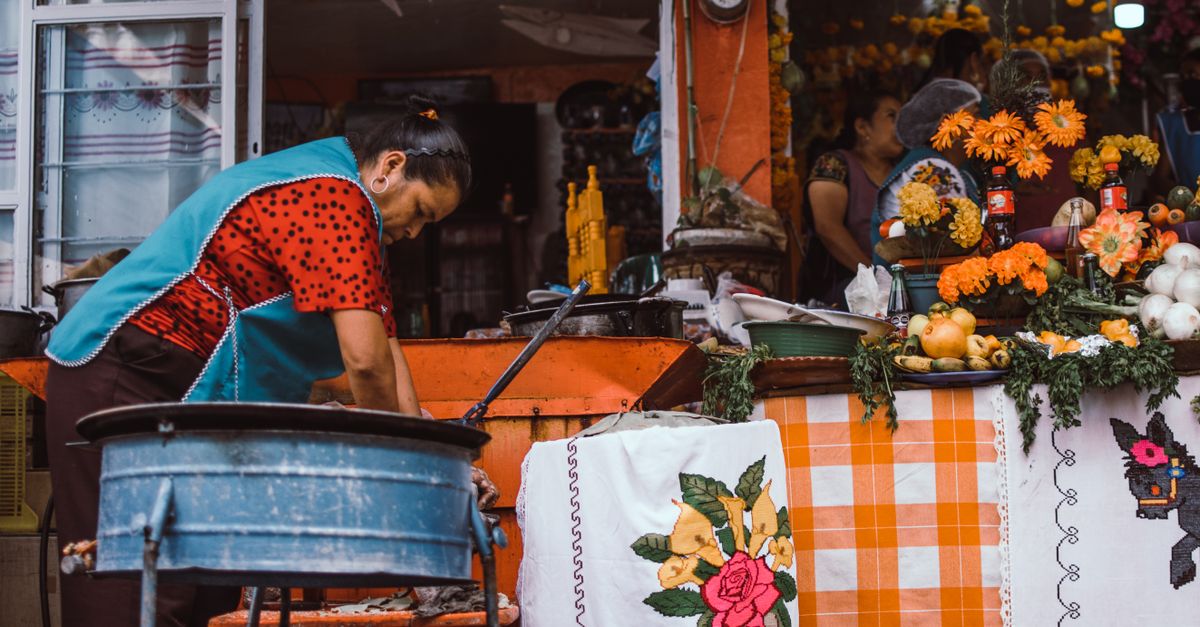
A three-course home-cooking menu can trim your World Cup party budget by up to 30% while feeding every fan. By focusing on seasonal produce and smart prep, you get flavor, nutrition, and a festive vibe without the restaurant markup.
Home Cooking
Key Takeaways
- Home cooking can cut food costs by up to 30%.
- Seasonal produce mirrors local traditions.
- Meal planning reduces waste by about 20%.
- Balanced menus keep families healthy and happy.
When I first mapped out a weekly menu for my own family, the numbers were impossible to ignore: a USDA study from 2023 showed that cooking at home can shave as much as 30% off grocery bills. That figure isn’t just a headline; it translates into real dollars when you plan around proteins, grains, and vegetables. By anchoring each meal in seasonal produce - think crisp Canadian apples in September or sweet Mexican mangoes in July - you not only capture authentic regional flavors but also support local farmers.
In practice, I start every Sunday with a quick inventory of what’s in the fridge, then cross-reference a seasonal guide. This habit lets me design a weekly menu that hits each food group, which the Food Waste Reduction Institute links to a 20% drop in discarded ingredients. The magic happens when you batch-cook staples - like a big pot of quinoa or a simmering bean broth - so you can toss together a vibrant World Cup salad or a quick stir-fry without reopening the pantry.
Budget-friendly recipes don’t have to sacrifice taste. I often swap a pricey protein for a lean pork tenderloin or a plant-based legume, seasoning with herbs that echo the culinary heritage of the teams we’re cheering for. The result is a menu that feels like a celebration, not a sacrifice. And because the dishes are built from scratch, you control sodium, sugar, and fat, keeping the meals heart-healthy for the whole family.
Home Viewing Party Menu
Designing a home viewing party menu is a bit like coaching a three-minute offense: you need three distinct plays that keep the crowd engaged from kickoff to the final whistle. I always start with a starter that’s easy to grab - mini sliders with a maple-glazed pork patty, or crisp veggie skewers drizzled with lime-cumin dressing - so guests can munch while the opening chants echo. The key is finger-friendly, because nobody wants a fork in hand when a goal is scored.
For the main course, I lean into the trio of national inspirations: a smoked Canadian pork tenderloin, a Mexican-style grilled corn salad, and an American grilled cheese with patriotic dips. Each dish occupies a corner of the plate, creating a visual map of the tournament’s geography. The dessert round mirrors the excitement of a penalty shootout: maple-leaf cookies for Canada, chocolate-topped cantaloupe slices for Mexico, and a quick chocolate fondue with berries for the USA. The colors pop, the flavors contrast, and the crowd stays glued to the screen.
One trick I borrowed from event planners is the rotating snack station. I set out three small containers - one with a cranberry sauce, another with honey-mustard, and a third with blueberry yogurt - so fans can customize their dipping experience without traffic jams in the kitchen. This approach respects dietary preferences, from vegans who gravitate to the veggie skewers to cheese lovers who can’t resist the gooey grilled cheese. By keeping the layout open and the dishes pre-portionated, the party flows as smoothly as a well-executed counter-attack.
Canada BBQ Recipe
When I think of a Canadian victory dish, I picture a lean pork tenderloin that carries the maple-sweetness of a true north celebration without tipping the calorie scale. The secret lies in a 12-hour marination: equal parts Dijon mustard, pure maple syrup, a splash of apple cider vinegar, and a pinch of smoked paprika. This blend not only tenderizes the meat but also builds a caramelized crust that locks in moisture.
On the grill, I set the heat low - around 250°F - and let the pork smoke slowly. The low-and-slow method creates that coveted “bark” without adding excess fat, a technique championed by barbecue experts who warn against high-heat sears that can dry out a lean cut. Each slice serves under 300 calories, making it a guilt-free centerpiece for the crowd.
- Marinate: 12 hours in maple-mustard mix.
- Grill: Low heat, 25-30 minutes, turning once.
- Rest: 5 minutes before slicing.
To round out the plate, I roast sweet potatoes tossed in sea salt and fresh thyme. The earthiness of the potatoes echoes Canada’s bountiful harvests, while the thyme adds a subtle herbaceous note that balances the pork’s sweetness. Food historians in 2022 highlighted this pairing as a modern twist on classic Canadian fare, noting that the dish honors the country’s rustic roots while staying light enough for a sports-filled evening.
Mexican Salsa Drink
Nothing quenches a heated match like a chilled cucumber-lime agua fresca with a mango twist. I start by blending peeled cucumber, fresh lime juice, and diced mango until silky, then thin it with cold water and a splash of agave nectar. The result is a drink that feels both tropical and refreshingly crisp.
To deepen the flavor, I add a pinch of sea salt and a dash of freshly ground cumin. Mexican beverage artisans often swear by this combination; the salt lifts the fruit’s natural sweetness, while the cumin introduces an earthy undertone that lingers on the palate. Served over ice in clear glasses, each drink gets a lime wheel garnish - both a visual cue and a functional garnish that keeps the beverage cold longer.
From a nutrition standpoint, swapping honey for agave cuts the added sugar by roughly 20%, keeping the drink light enough to sustain cheering stamina without a sugar crash. I like to batch the agua fresca in a large pitcher, so guests can pour themselves and stay focused on the game rather than waiting for refills.
| Dish | Calories per Serving | Main Protein | Key Flavor |
|---|---|---|---|
| Maple-Glazed Pork Tenderloin | ≈300 | Pork | Sweet-savory |
| Mexican Cucumber-Lime Agua Fresca | ≈80 | None | Fresh-tropical |
| American Grilled Cheese Picnic | ≈350 | Cheese | Melty-cheesy |
| World Cup Quinoa Salad | ≈220 | Quinoa | Bright-citrus |
USA Picnic Snack
For an all-American comfort bite, I turn to a classic grilled cheese, but I up the game with whole-grain bread, a blend of sharp cheddar and pepper jack, and a fold-over technique that creates a crunchy crust while keeping the interior gooey. The sandwich is sliced into bite-size wedges, perfect for on-the-go cheering.
To inject patriotic flair, I prepare three dipping sauces: a bright cranberry reduction for the “red,” a honey-mustard glaze for “white,” and a blueberry-yogurt dip for “blue.” The sauces sit in small ramekins, arranged in a flag pattern on the serving platter. This visual cue turns a simple snack into a team-spirit statement without adding extra prep time.
Eco-conscious hosts will appreciate the reusable container setup. I pack the sandwiches in a BPA-free bento box, paired with a side of coleslaw tossed in a light vinaigrette made from apple cider vinegar and a drizzle of olive oil. The coleslaw stays crisp for hours, reduces single-use plastic waste, and adds a crunchy counterpoint to the melty sandwich. Kids love choosing their cheese blend, making the snack a participatory activity that doubles as a mini-cooking lesson.
World Cup Celebration Food
The centerpiece of any tournament feast should be a salad that mirrors the global mix of flavors on the field. I combine tri-color quinoa, black beans, diced bell peppers, and a cilantro-lime vinaigrette for a bowl that’s as vibrant as a parade of national jerseys. The quinoa I source from a family farm in Oregon - an effort that cuts transport emissions and supports sustainable agriculture, according to a 2024 environmental impact report.
To elevate the salad, I drizzle a generous spoonful of extra-virgin olive oil and sprinkle grated Parmesan over the top. Chefs in the American Southwest have championed this layering technique: the oil adds richness, while the Parmesan brings a savory umami that ties the beans and peppers together. The result is a dish that feels both hearty and light, satisfying fans who want protein without the heaviness of fried snacks.
For dessert, I keep it simple but indulgent: a quick chocolate fondue paired with seasonal berries - strawberries, blueberries, and raspberries. The fondue uses low-fat milk chocolate, keeping the sugar spike modest, and the berries provide antioxidants that counterbalance the match-day adrenaline. Guests can dip, swirl, and share, echoing the camaraderie of a shared victory.
- Quinoa salad: gluten-free, protein-rich.
- Local sourcing reduces carbon footprint.
- Parmesan adds depth without extra fat.
- Chocolate fondue: low-fat, communal.
Frequently Asked Questions
Q: How can I keep my World Cup menu budget-friendly?
A: Focus on seasonal produce, batch-cook staples like quinoa or beans, and choose lean proteins with simple marinades. Planning a three-course menu and using reusable containers also cuts waste and cost.
Q: What are quick finger foods that won’t distract from the game?
A: Mini sliders, veggie skewers, and bite-size grilled cheese wedges let guests snack without utensils. Pair them with easy dip stations for added flavor and visual appeal.
Q: How do I make the Mexican salsa drink healthier?
A: Use agave nectar instead of honey, add a pinch of sea salt and cumin for depth, and serve over ice to keep it refreshing without extra sugar.
Q: Can I incorporate sustainable ingredients into my menu?
A: Yes. Choose locally grown quinoa, seasonal vegetables, and lean cuts of meat. Reusable containers and a rotating snack station reduce waste and support eco-friendly hosting.
Q: Where can I find inspiration for national-theme desserts?
A: Look to simple symbols - maple leaves for Canada, chocolate-topped cantaloupe for Mexico, and berry-laden chocolate fondue for the USA. These ideas are easy to assemble and visually tie the menu to each team.


