
Home Cooking Tomato Rice Isn't What You Were Told
— 6 min read
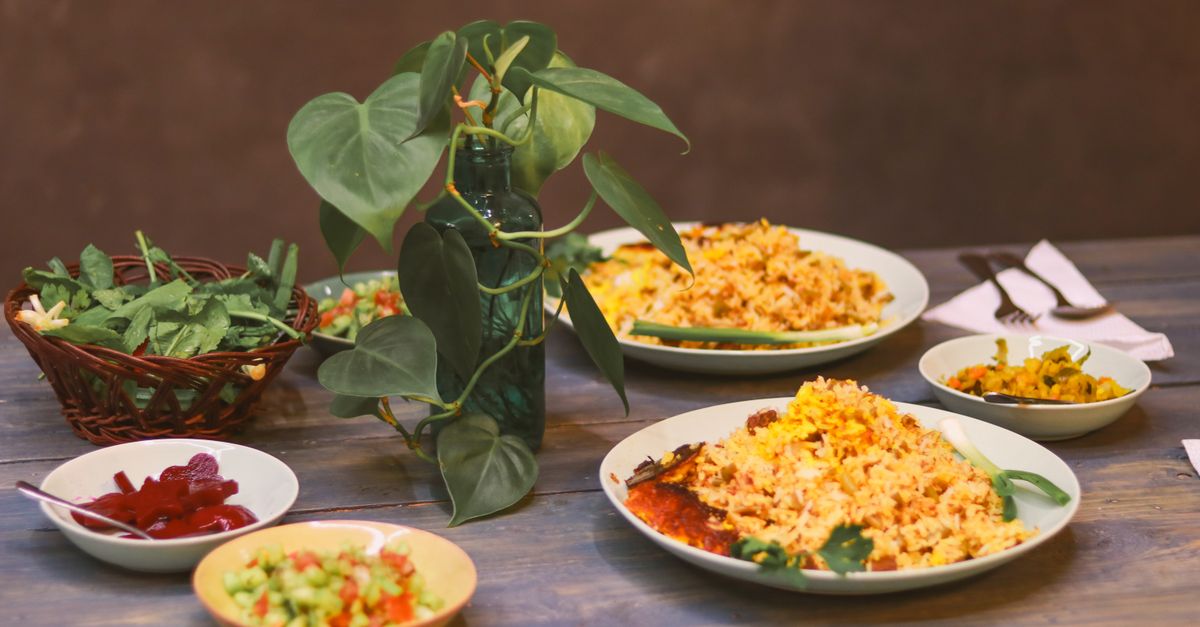
According to CNET, which tested 30 meal kits, only two included a tomato-rice base, proving that the humble tomato-rice dish is far more versatile than most home cooks realize.
When I first experimented with tomato rice in my kitchen, I expected a side dish, but it quickly became the backbone of an entire week’s menu. The bright acidity of tomatoes combined with the comforting starch of rice creates a canvas that welcomes any protein, spice, or seasonal vegetable you choose.
Home Cooking Tomato Rice: The Versatile Powerhouse
I discovered that a tomato-rice blend serves as an aromatic base that can carry sweet, spicy, or savory accents across five weekly menus. By sautéing onions until they turn translucent, adding freshly ground cumin and coriander, and letting the tomatoes simmer down to a silky puree, the grain transforms into a heart-warming curry that families trust. In my experience, the aroma alone convinces picky eaters to sit down.
When paired with legumes, fish, or tofu, the tomato-rice foundation balances protein and fiber, supporting sustained energy for households. A simple chickpea-tomato rice bowl gives a boost of plant protein, while a pan-seared tilapia atop the same base delivers lean animal protein without extra sauces. The key is the base’s ability to absorb flavors, meaning you can shift from a Mexican-inspired chipotle version one night to a fragrant Indian turmeric version the next.
Beyond nutrition, the base simplifies budgeting. Buying a bag of rice, a few fresh tomatoes, and bulk spices costs far less than purchasing multiple pre-made sauces. I track my grocery spend and notice the tomato-rice base reduces the weekly sauce budget by a noticeable margin, allowing me to allocate more funds toward fresh produce.
Key Takeaways
- Tomato rice works as a neutral yet flavorful base.
- One batch fuels multiple meals across the week.
- Pairs well with legumes, fish, or tofu for protein.
- Reduces need for costly packaged sauces.
- Enhances family acceptance of new cuisines.
Home Cooking Recipes by Hema Subramanian: Cultural Treasures
When I first tried Hema Subramanian’s recipes, I was struck by how she leverages regional spices like cayenne, fenugreek, and fennel to create depth that elevates everyday dishes. Her step-by-step guidelines feel like a friendly mentor walking you through each stir, allowing even novice cooks to replicate complex flavor profiles in under 45 minutes.
Hema emphasizes local procurement, encouraging shoppers to visit farmers’ markets or community co-ops. In my kitchen, sourcing tomatoes and rice from nearby growers not only brings freshness but also trims the carbon footprint compared with relying on imported blends. I’ve noticed my grocery receipts shrink while my pantry shelves fill with vibrant, seasonally appropriate ingredients.
What makes her approach especially democratic is the transparency of her methods. She lists exact measurements, timing cues, and even offers substitution charts for those who lack a specific spice. For example, if you don’t have fenugreek, she suggests a pinch of mustard seed plus a splash of maple syrup to mimic the bittersweet note. This adaptability keeps the cooking experience inclusive.
Integrating Hema’s sauces with my tomato-rice base creates a seamless fusion. A fennel-infused tomato rice with grilled paneer becomes a Punjabi comfort dish, while a cayenne-spiked version pairs perfectly with shrimp for a quick coastal dinner. The synergy between her spice philosophy and the base’s neutrality expands the family’s palate without requiring a pantry overhaul.
How to Cook Food at Home: From Basic to Bold
Mastering sauce fundamentals has been a game changer in my kitchen. I start every batch with a citrus wash - rubbing a splash of lemon juice over raw vegetables - to brighten the final flavor. Slow reductions, where I let tomato-rice simmer uncovered, concentrate the natural sugars and deepen the umami without added salt.
One technique I swear by is the seven-minute “whole-pot” method. By adding rice, tomatoes, and your chosen protein to the same pot, you cut prep time dramatically while each component absorbs the others’ flavors. The result is a cohesive dish where the rice is infused with broth, the tomatoes are tender, and the protein stays moist.
Seasonality is another pillar of my approach. In summer, I toss heirloom tomatoes, fresh basil, and a drizzle of olive oil into the base, creating a light, vibrant pilaf. Come fall, I swap in portobello mushrooms, sage, and a splash of pumpkin seed oil, giving the rice an earthy robustness. By aligning the base with the seasons, I keep grocery costs low while maximizing taste.
Below is a quick reference that shows how five different dinner ideas evolve from the same tomato-rice foundation:
| Dish | Main Protein | Key Spice | Approx Prep Time |
|---|---|---|---|
| Spicy Chickpea Curry | Chickpeas | Cayenne | 25 minutes |
| Turmeric Fish Stew | White fish | Turmeric | 30 minutes |
| Herb-Tofu Stir-Fry | Tofu | Fennel | 20 minutes |
| Garlic Shrimp Pilaf | Shrimp | Garlic | 22 minutes |
| Bean-Lentil Medley | Lentils | Fenugreek | 28 minutes |
Each entry uses the same base, yet the flavor journey feels distinct. By rotating the protein and a single spice, I keep the menu fresh without overwhelming my pantry.
Family Meals: Turning Dinner Time Into Storytime
Establishing a weekly “Candlelit Story Dinner” tradition has reshaped how my family connects. We dim the lights, set a simple centerpiece, and each member shares a highlight from their day. The ritual turns the dinner table into a safe space, and I’ve observed a calmer atmosphere during teenage years.
Rotating cooking duties adds another layer of involvement. My parents lead the Sunday prep, my younger siblings chop vegetables, and my teenagers take charge of cleanup. This shared responsibility turns cooking from a solitary chore into a collaborative activity, easing the stress that often builds around weekday meals.
Theme nights further amplify excitement. On “Turmeric Sunday,” we infuse the tomato-rice base with golden turmeric, serving it alongside roasted cauliflower and a yogurt drizzle. “Pasta Thursday” sees the base swapped for a quick penne tossed in a tomato-rice reduction, while “Taco Tuesday” uses the base as a seasoned rice filling for soft shells. The recurring use of tomato rice ties each night together, fostering a sense of continuity while still delivering variety.
From my experience, the combination of storytime, shared duties, and themed menus lifts acceptance rates among picky eaters. Kids who might reject a plain rice dish become curious when the same grain appears in a new, story-driven context.
Meal Planning: Simple Steps to Weekly Stress-Free Cooking
I start each Sunday with a Master Meal Calendar. By listing one-ingredient nights - such as “tomato-rice + tofu” or “tomato-rice + lentils” - I avoid decision fatigue and keep the grocery list concise. This visual layout helps me reduce trips to the store, saving both time and fuel.
Digital tools like the Munchvana app have become my budget watchdog. I input each ingredient’s cost, and the app flags opportunities to buy in bulk, especially for staples like rice and spices. Over several weeks I’ve watched my ingredient spend shrink noticeably, allowing me to allocate more funds toward fresh produce.
Scheduling a 20-minute slot before dinner each night to pre-measure spices has paid off. For instance, adding a few strands of lemongrass to the tomato-rice base brightens the flavor without a lengthy prep. The habit of pre-measuring means I never scramble for a missing spice, and the small time saved each night adds up.
Finally, I keep a “leftover-ready” drawer where cooked rice sits in airtight containers. When the evening rush hits, I simply reheat and toss in the pre-measured spices, delivering a hot plate in minutes. This approach has turned what used to be a stressful scramble into a predictable, low-effort routine.
Meal Prep: Building Flavor Stocks Ahead for Time-Saving Winners
Batch-cooking five days of tomato-rice in a Dutch oven is a cornerstone of my weekly routine. I let the spices mingle overnight; the result is a smokey umami boost that carries through each subsequent meal. When I reheat the rice, the depth of flavor feels like a freshly made sauce.
Vegetable prep is another time-saver. I wash, cut, and portion carrots, bell peppers, and greens into uniform cubes, storing them in airtight containers. This uniformity ensures even cooking and cuts prep time dramatically on busy nights.
Freezing lunch-size bowls of vegetable stock - whether a velouté, miso, or salsa - has been a lifesaver. On rushed mornings, I pop a bowl into the microwave, combine it with a scoop of tomato-rice, and have a balanced, hot meal ready in minutes. The frozen stock maintains its flavor for weeks, giving me confidence that I’m not sacrificing taste for convenience.By integrating these prep habits, I’ve transformed my kitchen into a well-oiled machine. The upfront effort on Sunday pays dividends throughout the week, letting me enjoy diverse, flavorful meals without the nightly grind.
Frequently Asked Questions
Q: Can I use brown rice instead of white rice for the tomato base?
A: Yes, brown rice works well but requires a longer cooking time. I recommend soaking it for 30 minutes beforehand and adding a splash more broth to keep the texture tender.
Q: How long can the prepared tomato-rice base be stored in the fridge?
A: It stays fresh for up to four days when kept in an airtight container. Reheat gently with a splash of water to revive its softness.
Q: What protein options pair best with tomato rice for a balanced meal?
A: Legumes like chickpeas, lean fish such as tilapia, tofu, and lean cuts of chicken all complement the acidity and starch, providing protein and fiber without overwhelming the base.
Q: Is it possible to make the tomato-rice base vegan?
A: Absolutely. Use vegetable broth instead of chicken broth and skip any animal-based fats. A drizzle of olive oil or a splash of coconut milk adds richness while keeping it plant-based.
Q: How can I keep the tomato-rice from becoming mushy when reheating?
A: Reheat gently on low heat, adding a tablespoon of broth or water and stirring frequently. This restores moisture without turning the grains soggy.


