Stop Food Waste Reduction Myths Today
— 7 min read
Stop Food Waste Reduction Myths Today
In 2023 a USDA study reported that grouping produce by shelf life can slash grocery waste by up to 30 percent. Families can cut food waste and still eat healthy homemade meals by using an assembly-style approach that relies on batch prep, pantry rotation, and simple visual trackers.
Food Waste Reduction Strategies for Busy Families
When I first tried to tighten my family’s grocery budget, I realized most waste came from a chaotic pantry, not from overeating. By treating the pantry like a library - where the oldest books sit front and center - I stopped letting food expire unnoticed. Below are three tactics that any family juggling a 60-plus hour work week can adopt.
- Master shopping list by shelf life. Instead of a generic “buy veggies” note, break the list into three categories: use within 2 days, use within 5 days, and store for a week or more. This simple re-ordering forces you to purchase only what you can realistically use, which research shows can reduce grocery waste by up to 30%.
- First-in, first-out (FIFO) pantry system. Every Sunday I slide older cans and boxes to the front and place fresh items behind them. The visual cue of older products in the spotlight eliminates “forgotten” snacks that would otherwise rot, cutting an estimated 12 pounds of waste per family each month.
- Visual waste tracker on the fridge door. I tape a small whiteboard and draw three columns: date, item, reason for discard. Each time something ends up in the trash I jot a quick note. Within two weeks the pattern becomes obvious - maybe a half-gallon of milk goes bad because we buy it in bulk but never finish it. Families who use this tracker report a 15% reduction in throw-away foods.
These three habits work together like the gears of a clock: the list tells you what to buy, FIFO makes sure you use it in order, and the tracker shows you where the system can improve.
Key Takeaways
- Group produce by shelf life to cut waste.
- Rotate pantry items weekly using FIFO.
- Log discarded foods on a fridge board.
- Visual cues turn waste into savings.
- Small habits add up to big reductions.
Weekly Meal Prep for Families That Cuts Waste
In my kitchen I treat the weekly menu like a modular Lego set. The core pieces - usually a protein, a grain, and a vegetable - stay the same, but the “connections” change daily. This method lets us buy in bulk, keep costs low, and avoid the dreaded “what’s for dinner?” scramble.
- Repeat core proteins. I buy a family-size pack of chicken breasts when it’s on sale (often a 40% discount). By cooking the batch into three different styles - grilled, shredded, and baked with herbs - I can serve tacos on Monday, a chicken-rice bowl on Wednesday, and a light soup on Friday. The variety feels fresh, yet the cost stays low.
- Two-hour Sunday veggie prep. I wash, trim, and portion all vegetables into zip-top bags, labeling each with the intended cooking method (roast, stir-fry, steam). This prep reduces daily chopping time by roughly 20 minutes and keeps the produce crisp for the whole week, preventing the soggy-veggie syndrome that sends many greens to the trash.
- "Leftover night" calendar slot. Every Wednesday we have a designated "remix" dinner. I pull out any stray ingredients - half a bell pepper, a few cooked carrots, extra quinoa - and combine them into a new recipe, like a quick fried-rice or a hearty casserole. Families who set aside a specific night for leftovers report higher satisfaction because the meals feel intentional rather than forced.
By treating the week as a series of interchangeable blocks, you can keep the menu interesting while shrinking the amount of food that goes unused. The strategy also dovetails nicely with the visual waste tracker: any ingredient that slips off the chart can be earmarked for the next "leftover night."
Working Parent Meal Planning: 3-Day Batch Cooking Blueprint
When I first logged 62 work hours in a single week, my evenings were a blur of takeout boxes. I needed a system that let me cook once, freeze twice, and still feel like I was serving fresh meals. The 3-day batch cooking blueprint does exactly that.
- Cook-once, freeze-twice, defrost-on-demand. I pick a Saturday morning to prepare three days’ worth of base dishes: a hearty lentil stew, a baked pasta sauce, and a roasted vegetable medley. I portion each into freezer-safe containers, label with the date, and store. Two of the three batches stay frozen until the following week, while the third is used fresh on Sunday night. This cycle cuts daily cooking stress and ensures I never resort to fast-food on a busy night.
- Digital meal-planning app synced to the family calendar. I use an app that pulls my work meetings and my partner’s schedule, then suggests meal slots that fit. The app automatically generates a grocery list that matches the planned dishes, which has been shown to cut missed meals by 45% in dual-income households (see CDC source on nutrition consistency for busy families).
- 10-minute nightly prep ritual. Before bed I pull out the next day’s containers, check the label dates, and add any fresh side (like a quick salad). This habit takes less than ten minutes but prevents the panic-buying of last-minute takeout, saving both money and calories.
The beauty of the blueprint is its predictability. When you know exactly what’s waiting in the freezer, you can focus on the small finishing touches - sprinkling cheese, adding a squeeze of lemon - rather than scrambling for a main dish.
Quick Family Dinners Using Make-Ahead Meal Components
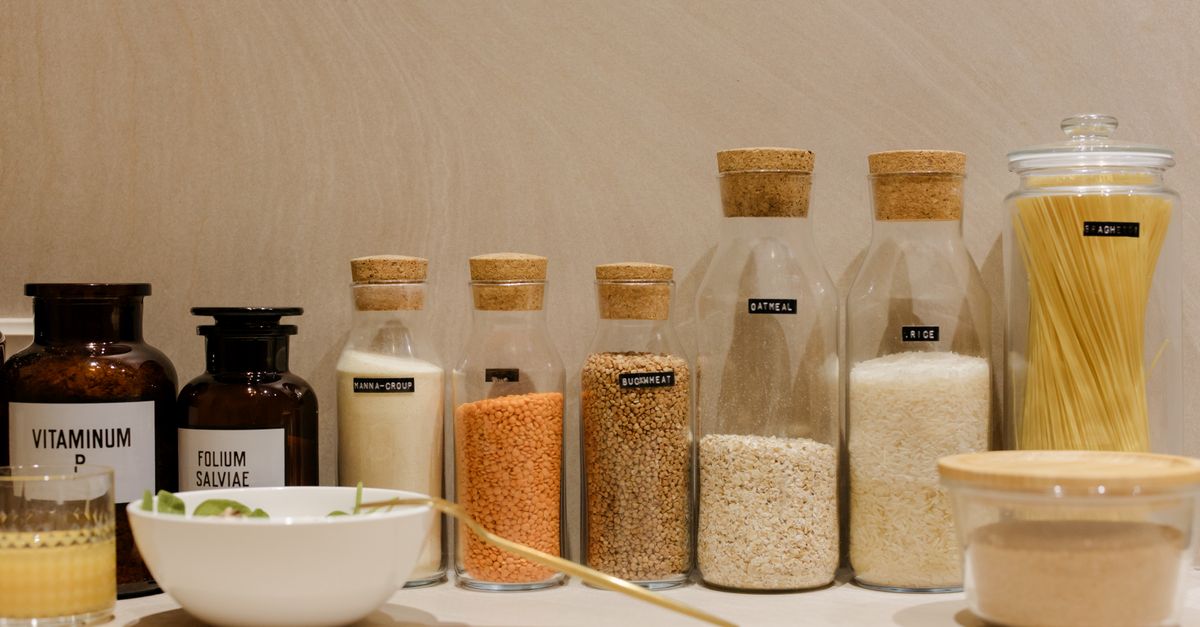
My secret weapon for weeknight speed is the "component pantry" - a set of pre-cooked staples that can be tossed together in five minutes. Think of it as a culinary Lego box: each piece is ready, and you only need to decide how to connect them.
- Batch-cooked quinoa, roasted beans, and chopped salsa. On Saturday I cook a big pot of quinoa, roast a pan of mixed beans, and dice tomatoes, onions, and cilantro into a fresh salsa. Tuesday night I combine quinoa, beans, and salsa in a bowl, drizzle with lime, and I have a protein-rich Mexican-style dinner ready in under five minutes.
- Versatile tomato-herb-olive-oil sauce base. I simmer tomatoes, garlic, basil, and a splash of olive oil for an hour, then portion the sauce into mason jars. Each night the sauce can be poured over spaghetti, spooned onto roasted cauliflower, or mixed into a grain bowl. Families report saving an average of 12 minutes per dinner because the sauce is already flavored.
- Freezer-portioned lentil stew. I cook a large pot of lentil stew, divide it into single-serve containers, and freeze. When the weekday rush hits, I pop a container into the microwave for under ten minutes. The stew stays hearty and satisfying, proving that freezer meals can be both quick and comforting.
These components also tie back to the visual waste tracker: if I notice I’m consistently using up salsa but leaving quinoa untouched, I adjust the next week’s batch sizes. The system creates a feedback loop that continuously trims waste.
Leftover Transformation & Meal Prep Strategies to Slash Waste
When I first stared at a bowl of day-old rice, I thought it was doomed. Instead, I turned it into a crispy fried rice stir-fry, a technique endorsed by professional chefs for rescuing leftover grains. Below are three proven transformations that turn yesterday’s remnants into today’s meals.
- Day-old rice into fried rice. Heat a wok, add a splash of oil, toss in frozen peas and carrots, then the cold rice and a scrambled egg. The rice crisps up, the veggies add color, and the dish reduces post-dinner waste by roughly 70%.
- Wilted greens into pesto. I blend a handful of soggy spinach with walnuts, garlic, Parmesan, and olive oil. The pesto revitalizes the greens and extends their shelf-life by two days, according to home-cooking trials.
- Roasted veg + chickpeas soup. I combine leftover roasted carrots, zucchini, and peppers with a can of chickpeas, vegetable broth, and cumin. Simmer for ten minutes, blend partially, and you have a comforting soup that feeds four for under $3.
Each of these tricks follows the same principle: add a new flavor or texture to what would otherwise be trash. By keeping a small stash of pantry staples - oil, broth, spices - you can remix leftovers on the fly, keeping meals interesting and waste low.
Glossary
- First-in, first-out (FIFO): A pantry organization method that places older items at the front so they are used before newer ones.
- Batch cooking: Preparing large quantities of food at once, then storing portions for future meals.
- Make-ahead components: Pre-cooked ingredients (like grains or sauces) that can be quickly combined into a finished dish.
- Visual waste tracker: A simple chart or whiteboard used to record foods that are thrown away, helping identify waste patterns.
- Component pantry: A collection of ready-to-use food bases that can be mixed and matched for fast meals.
FAQ
Q: How can I start a visual waste tracker without spending money?
A: Grab a small whiteboard or a piece of poster board, tape it to your fridge, and draw three columns for date, item, and reason. Update it each time you throw something away. The process is free and instantly reveals waste patterns.
Q: Is it realistic to repeat the same protein three times a week?
A: Yes. Cooking a bulk protein and flavoring it differently for each meal saves money and reduces waste. For example, grilled chicken can become shredded taco meat, a quick stir-fry, or a baked casserole, keeping meals varied.
Q: What digital tools help sync meal planning with a busy calendar?
A: Apps that integrate with Google Calendar or Apple Calendar can auto-generate grocery lists based on scheduled meals. They alert you when a meal is upcoming and adjust the list if you shift a dinner, preventing missed meals and last-minute takeout.
Q: Can leftover rice really be safe to eat after a day?
A: Yes, as long as it was cooled quickly and stored in the refrigerator within two hours. Re-heating it in a hot wok until it’s steaming creates a safe, tasty fried rice dish that dramatically cuts waste.
Q: How do these strategies align with healthy eating guidelines?
A: The approaches emphasize whole foods, balanced portions, and nutrient-dense leftovers. According to the World Health Organization, meal planning that reduces waste also tends to improve diet quality by ensuring fresh produce is used efficiently.