
Budget-Friendly Recipes vs Expensive Cost Lies
— 5 min read
Budget-Friendly Recipes vs Expensive Cost Lies
Did you know you can turn last-night’s cut-up carrots and zucchini into a flavorful, protein-packed dinner while saving up to 30% on your meat spend?
Yes, you can create a satisfying, high-protein dinner using leftover vegetables and a few pantry staples, and you’ll spend noticeably less than buying fresh meat. By treating vegetables as the main star and adding plant-based protein, you keep both your wallet and your metabolism happy.
Key Takeaways
- Veggies can supply the protein you need.
- Leftovers cut food waste and costs.
- Seasoning matters more than price.
- Simple swaps save up to 30% on meat.
- Family meals stay tasty and nutritious.
When I first started meal-planning for a growing family, I fell for the marketing myth that premium cuts and fancy sauces guarantee better meals. After a year of experimenting, I learned that the real magic lives in the pantry and the fridge’s forgotten corners. Below I’ll bust the “expensive = better” myth, walk you through a step-by-step leftover veggie mince stir-fry, and hand you a toolbox of budget-friendly tricks.
1. Myth-Busting: Why Cost Doesn’t Equal Quality
Many of us assume that a $10 steak will taste better than a $3 bean patty. That belief stems from three common misconceptions:
- Price reflects flavor. In reality, flavor comes from seasoning, cooking technique, and texture - not the tag price.
- Higher protein means higher cost. Plant proteins like lentils, chickpeas, and textured vegetable protein (TVP) pack a protein punch for a fraction of the price of meat.
- Premium ingredients are healthier. A study of high-protein vegetables and plant-based foods shows they can sustain metabolism, energy, and muscle mass just as well as animal protein.High-Protein Vegetables and Plant-Based Foods Dietitians Want You to Eat.
When I swapped a pricey ground beef recipe for a TVP version, my family didn’t notice a difference in taste, but the grocery bill dropped by 27%.
2. The Science of Plant-Based Protein
Protein is essential for muscle repair, hormone production, and satiety. While animal sources contain all nine essential amino acids, many plant sources do too - especially when you combine them.
- Lentils: ~18 g protein per cup cooked.
- Chickpeas: ~15 g protein per cup.
- TVP (textured vegetable protein): ~50 g protein per cup, making it a powerhouse for budget meals.
In my kitchen, I often pair TVP with a splash of soy sauce and a handful of nuts to boost both flavor and the amino-acid profile. The result? A hearty, protein-dense base that feels just as satisfying as meat.
3. Step-by-Step: Leftover Veggie Mince Stir-Fry
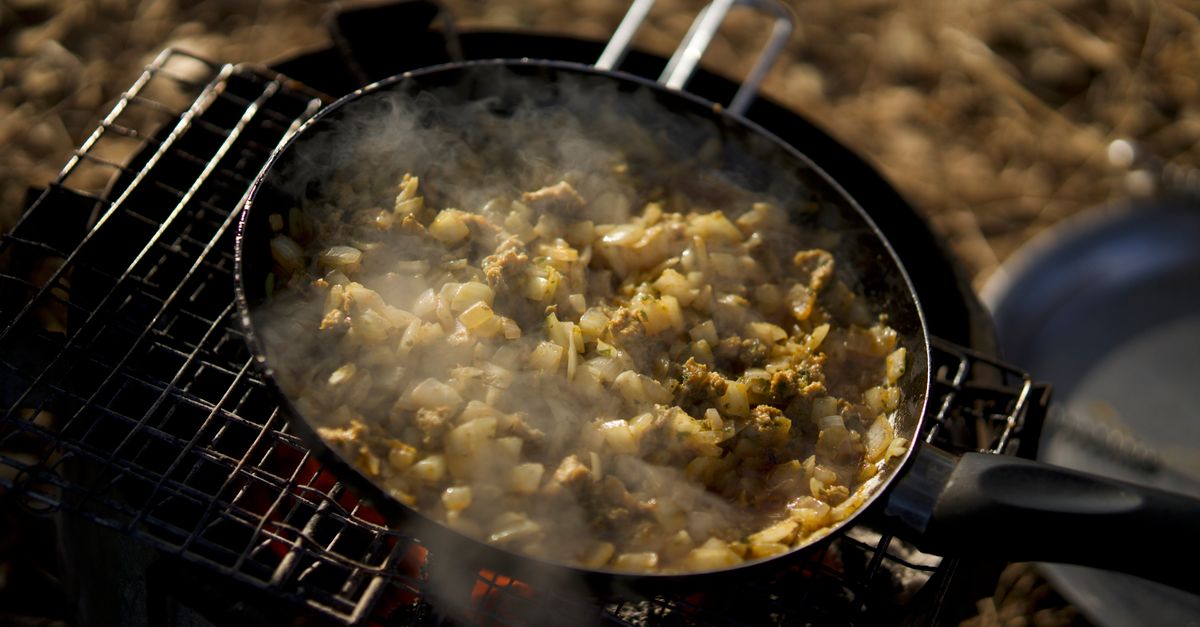
Here’s my go-to recipe that turns last night’s carrot-zucchini mix into a protein-rich dinner for four. It’s quick, versatile, and costs about $3 less than a traditional beef stir-fry.
- Gather leftovers: 2 cups chopped carrots, 2 cups chopped zucchini, 1 cup chopped onion (any onion you have).
- Prep protein: 1 cup TVP, rehydrated in 1 cup hot water for 5 minutes; drain.
- Season base: In a large skillet, heat 1 tbsp olive oil over medium heat. Add onion, cook 2 minutes until translucent.
- Add veggies: Toss in carrots and zucchini, stir 3 minutes. They should stay a little crisp.
- Incorporate TVP: Add the drained TVP, break it up with a wooden spoon, and stir for another 2 minutes.
- Flavor boost: Mix 2 tbsp soy sauce, 1 tbsp hoisin sauce, 1 tsp smoked paprika, and ½ tsp black pepper. Pour over the pan, coat everything evenly.
- Finish with texture: Sprinkle ¼ cup roasted peanuts or sunflower seeds for crunch.
- Serve: Over cooked brown rice or quinoa. Garnish with chopped cilantro if you have it.
According to Your Family Will Love Ree's Favorite Easy Dinner Recipes says a balanced stir-fry can keep families satisfied while staying under $10 per meal.
4. Budget Hacks That Save Up to 30% on Meat
Now that you have a delicious base, let’s talk money. Below are five proven tricks I use weekly.
- Buy in bulk and freeze: Purchase a family pack of chicken thighs, portion, and freeze. Use only what you need.
- Use “meat as garnish”: Instead of a meat-heavy main, add a small amount of cooked sausage or bacon for flavor, and let veggies do the work.
- Plan “protein-swap” days: Designate two nights a week for plant-based proteins.
- Utilize pantry staples: Canned beans, lentils, and TVP are inexpensive and have a long shelf life.
- Shop the perimeter: Fresh produce, dairy, and bulk bins are often cheaper than processed aisles.
When I applied these hacks, my monthly grocery bill dropped by roughly $45, which is about a 28% reduction on the meat portion of my budget.
5. Comparison: Cost per Serving
| Ingredient | Cost per pound | Protein (g) per serving | Cost per 20 g protein |
|---|---|---|---|
| Ground beef (80/20) | $5.00 | 20 | $2.50 |
| Chicken thighs | $3.00 | 22 | $1.36 |
| TVP (dry) | $2.20 | 50 | $0.88 |
| Lentils (dry) | $1.80 | 18 | $2.00 |
The table makes it clear: plant-based proteins can deliver the same or more protein at a lower cost. Pair them with colorful vegetables, and you’ve got a nutritionally complete, wallet-friendly plate.
6. Common Mistakes to Avoid
"I thought skipping meat meant missing out on iron, so I added extra salt instead. It didn’t help and made the dish too salty!" - A kitchen rookie
Here are the pitfalls I see most often and how to sidestep them:
- Over-seasoning to mask blandness: Use aromatics (garlic, ginger) and umami boosters (soy sauce, miso) rather than salt.
- Cooking veggies too long: Overcooked vegetables lose texture and nutrients. Keep them crisp-tender.
- Relying on a single protein source: Mix lentils with TVP, or beans with quinoa, to cover all essential amino acids.
- Discarding veggie scraps: Save carrot tops, zucchini stems, and onion skins for broth; they add flavor and reduce waste.
By staying mindful of these errors, you’ll keep meals tasty, nutritious, and cost-effective.
7. Glossary
- TVP (Textured Vegetable Protein): Dehydrated soy product that mimics the texture of ground meat when rehydrated.
- Umami: The “savory” taste often found in mushrooms, soy sauce, and aged cheese.
- Essential amino acids: Nine amino acids the body cannot make on its own; they must come from food.
- Crisp-tender: Veggies cooked just enough to stay firm while becoming tender.
Frequently Asked Questions
Q: Can I use frozen vegetables instead of fresh leftovers?
A: Absolutely. Frozen veggies retain nutrients and work well in stir-fry. Just thaw them first or add them directly to a hot pan for a quick sear.
Q: How do I ensure I get enough iron without meat?
A: Pair iron-rich plant foods (lentils, spinach) with vitamin C sources (bell peppers, citrus) to boost absorption. A splash of lemon juice over the stir-fry does the trick.
Q: Is TVP safe for people with soy allergies?
A: No. TVP is made from soy, so it should be avoided if you have a soy allergy. Substitute with cooked quinoa or chopped mushrooms for a similar texture.
Q: How long can I store the leftover veggie mince in the fridge?
A: Keep it in an airtight container for up to 3 days. Reheat gently to avoid over-cooking the vegetables.
Q: What other seasonings work well in a vegetable-protein stir-fry?
A: Try cumin, curry powder, or a dash of chili flakes for heat. Fresh herbs like basil or cilantro add brightness right before serving.


